
Sacramento Valley Plant Database
Googling for plants can be deceptive. You'll likely find oversaturated images of them at their best, but Google may not paint a complete picture. What do they look like after a 115 degree July? Or a Sacramento February? Are they high maintenance? Thirsty? Pest-prone?
We've pulled together some details on our favorite plants so you can browse the pros and cons and decide what's best for you and your yard. Note that all yards and plants require some maintenance (trims, fertilizing, and weed pulling), however our database highlights only plants which are reasonably low maintenance, requiring a trim every couple of months. Enjoy!
Shrubs
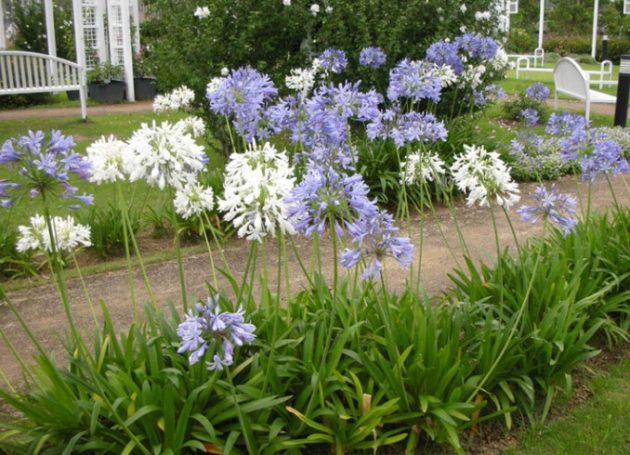
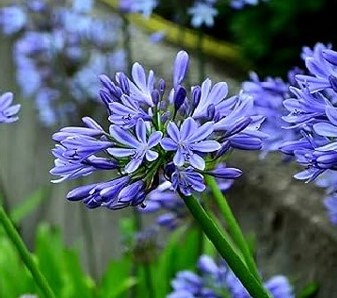
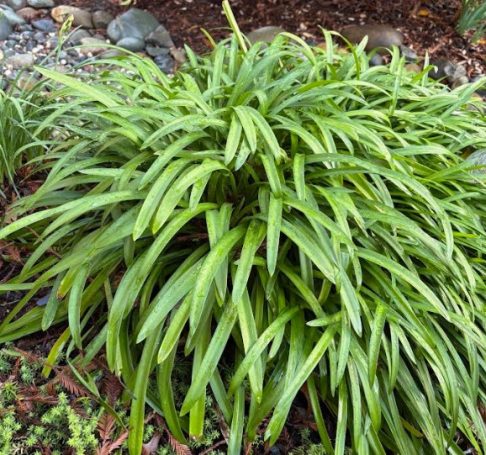
Agapanthus
Attractive green grass-like leaves year round, white or purple flowers on tall stems.
Evergreen: Yes
Bloom Season: Late spring to summer
Size: 1' to 3', depending on variety
Drought Tolerance: Good
Light: Full Sun
Lantana
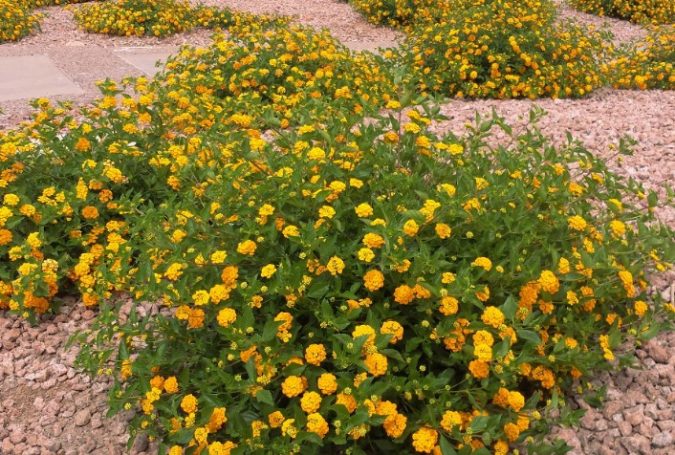
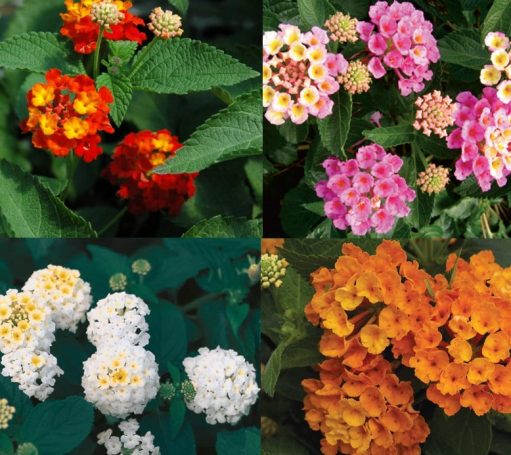
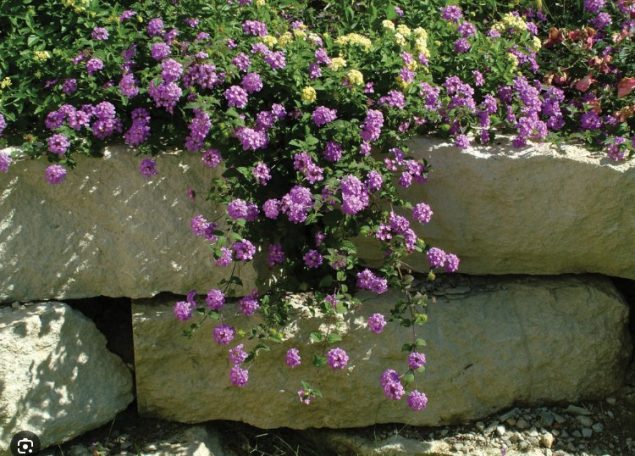
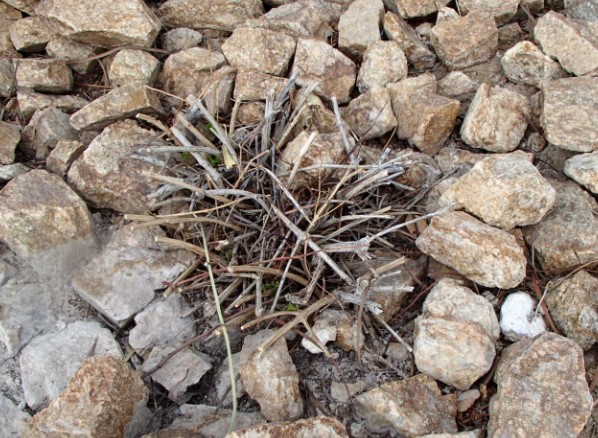
Blooms all summer long. Available in many colors (red, orange, yellow, purple, white, mixed). Bush, spreading, trailing varieties available. Trailing varieties hang over retaining walls well. Will need to be cut back in winter.
Evergreen: No
Bloom Season: Late spring through fall
Size: Shrub: 1' high, 2' wide. Trailing varieties up to 6' wide
Drought Tolerance: Good
Light: Full Sun
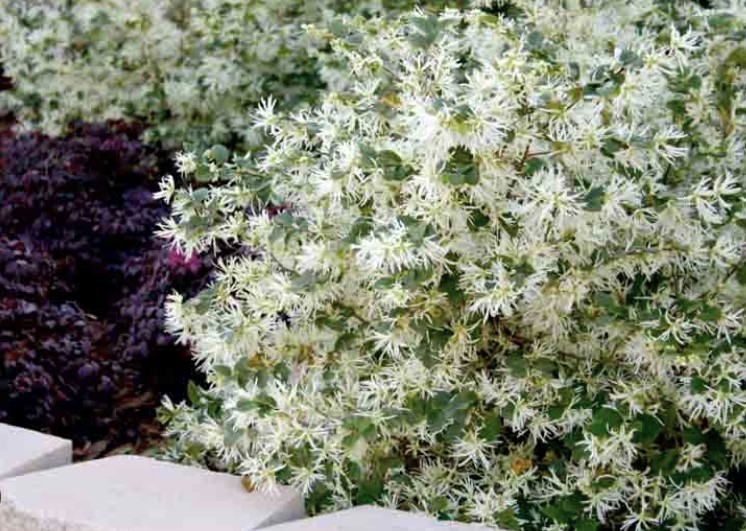
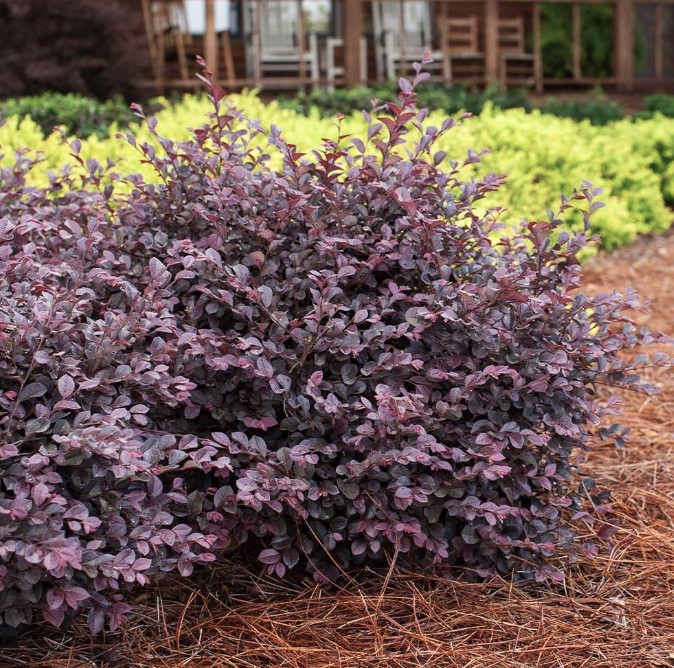
Lorapetalum
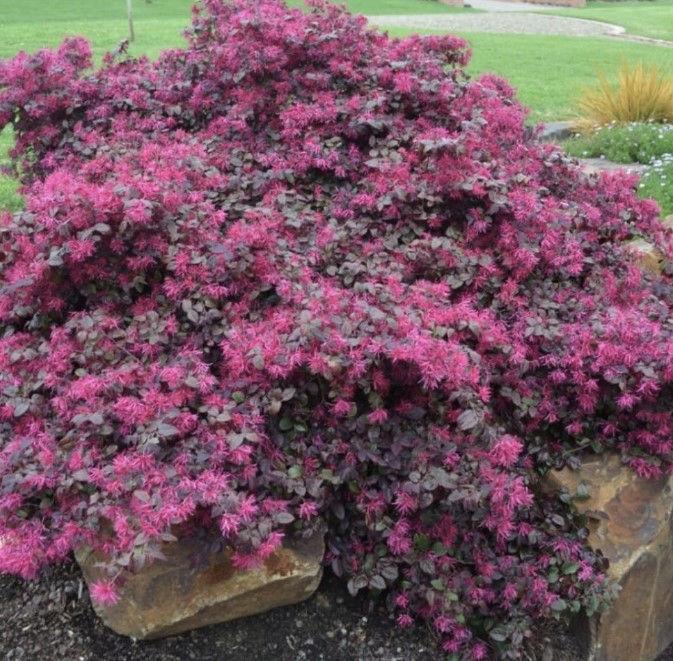
Hardy and attractive year-round. Foliage can vary from green to purple depending on variety and sun exposure, flower color varies white to pink or red. Prolific grower; may need a few trims per year.
Evergreen: Yes
Bloom season: Spring
Size: dwarf varieties 2-3 feet, can be trained to small tree, ~6'
Drought Tolerance: Good
Light: Full Sun

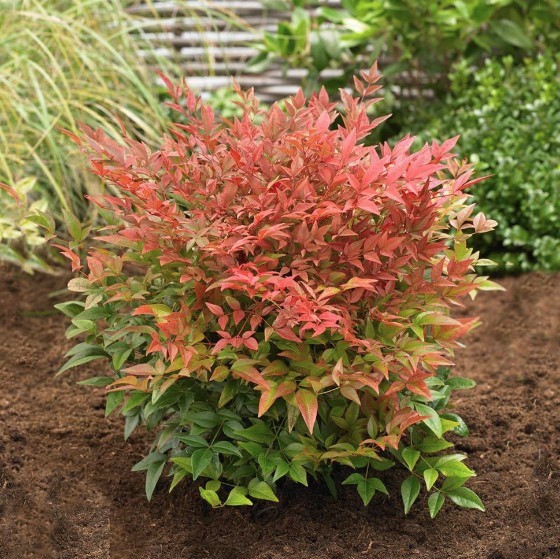
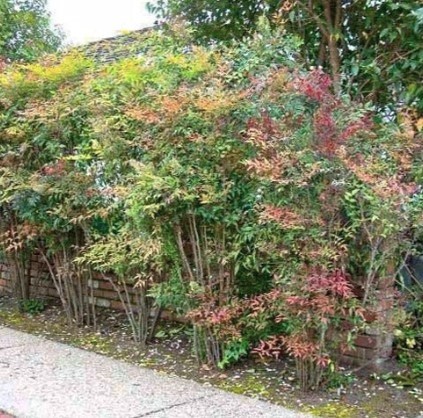
Nandina
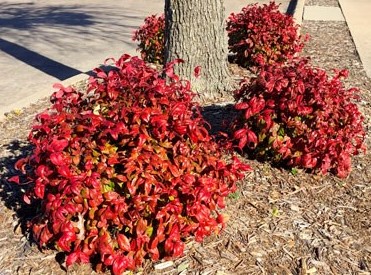
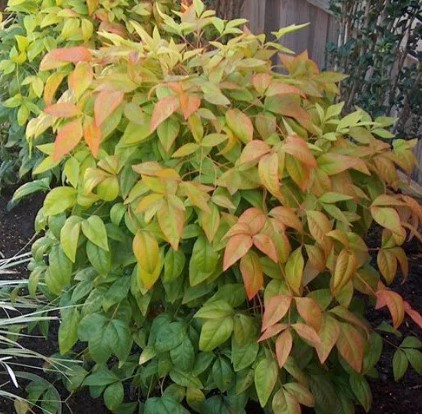
Low maintenance, bulletproof in hardiness. Many varieties to choose from. Size can vary from small shrub to over 6'. Winter show-stopper with red foliage.
Evergreen: Yes
Bloom season: None. Red winter foliage.
Size: 1' to 6', varies by variety
Drought Tolerance: Good
Light: Full Sun
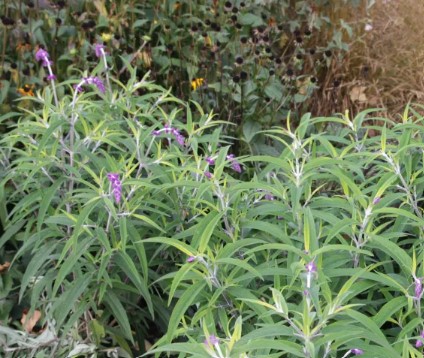
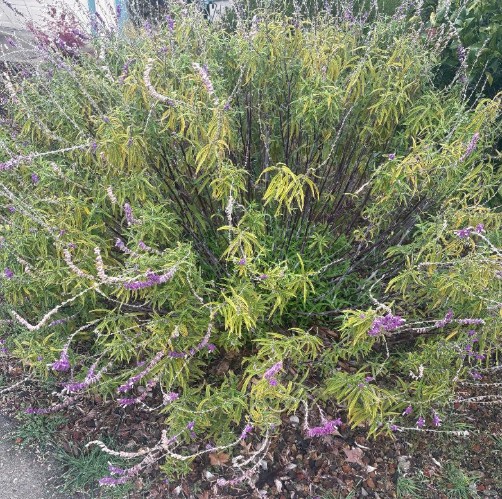
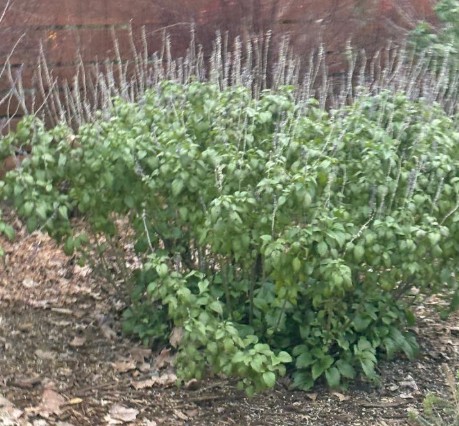
Santa Barbara Salvia (Mexican Bush Sage)
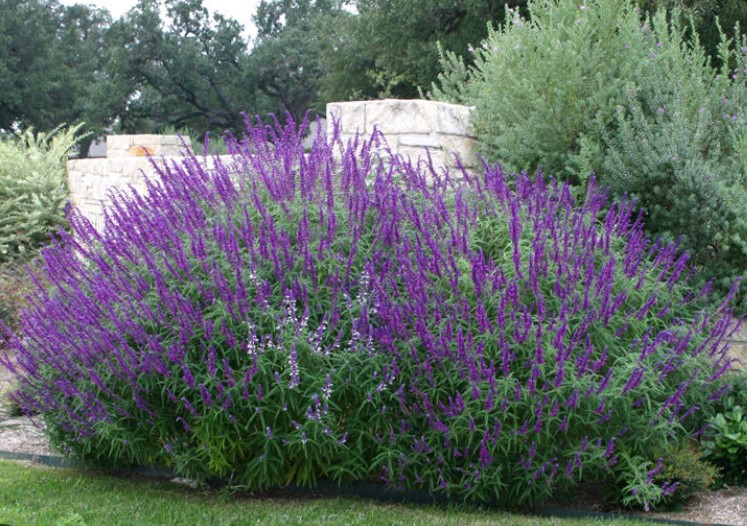
Gray-green foliage. Can grow to be up to 4' after several years. Stunning fall and winter blooms. Cut back in late winter.
Evergreen: Almost, but no
Bloom season: Late summer through frost
Size: 18"-24" tall, 3'-4' width
Drought Tolerance: Good
Light: Full Sun
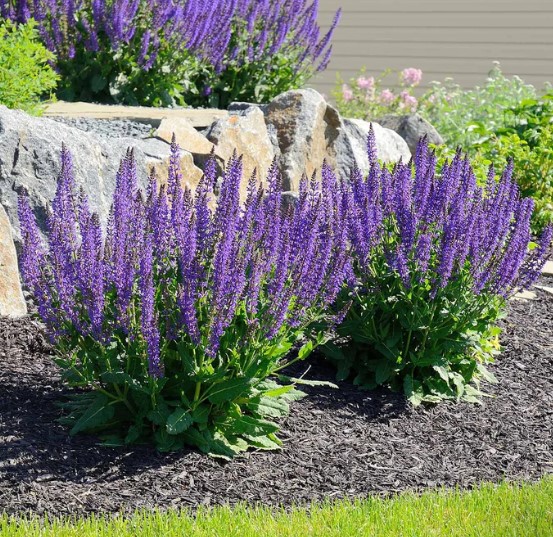
Salvia - Mystic Spires Blue
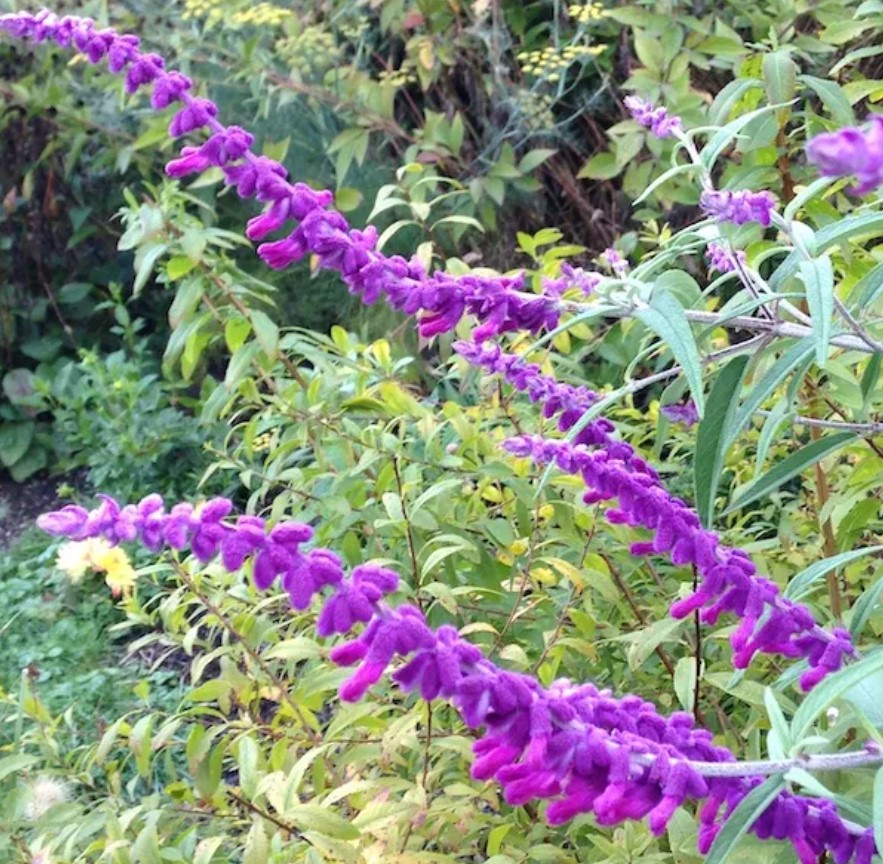
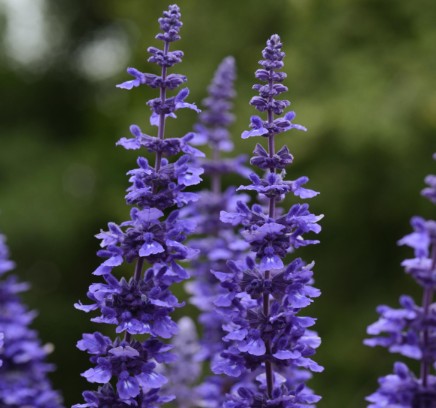
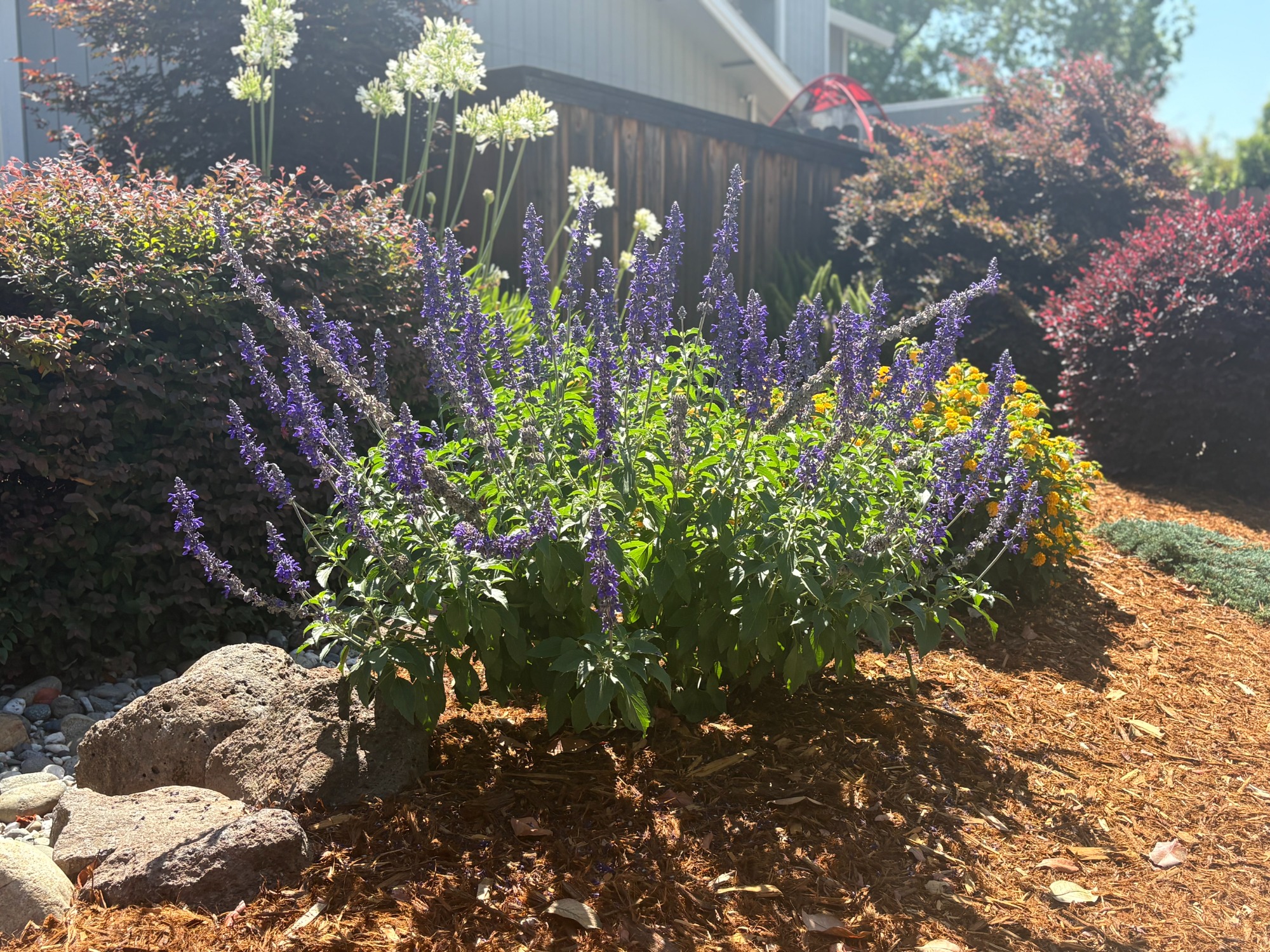
Long, green leaves grow below tall flower spikes in purple, blue, or white, summer through fall. Bees love it.
Evergreen: Yes, but will get scraggly in winter. Cut back late winter.
Bloom season: Spring to fall
Size: 18"-24" tall, 12-18" wide
Drought Tolerance: Good
Light: Full Sun or Morning Sun/Afternoon Shade
Trees
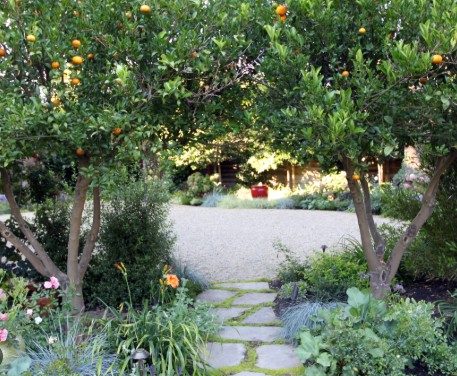
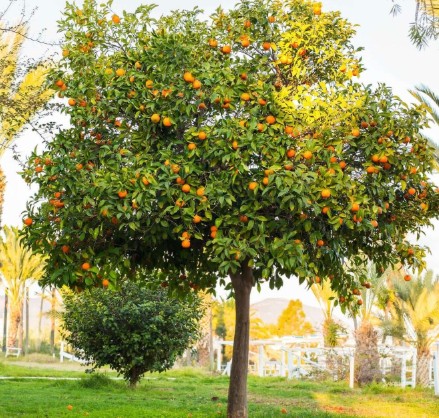
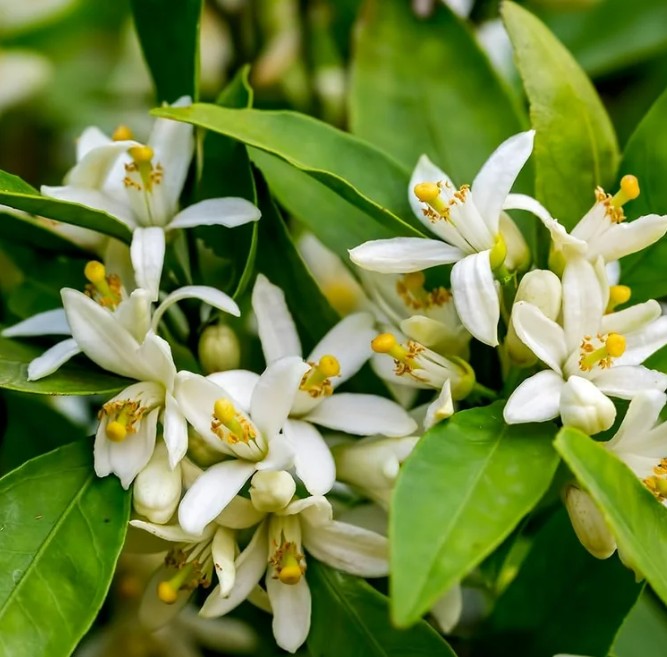
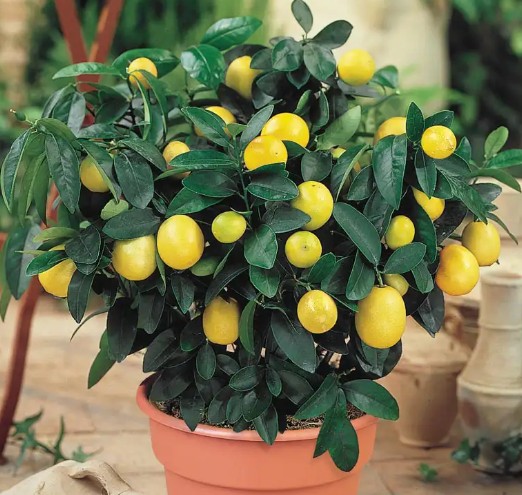
Citrus
Orange, mandarin, lemon, lime, grapefruit, what's not to love? A good looking tree, and functional too.
Evergreen: Yes
Bloom season: Spring
Maintenance: Trim/fertilize a few times a year
Drought Tolerance: Deep watering once per week in dry season
Light: Full Sun
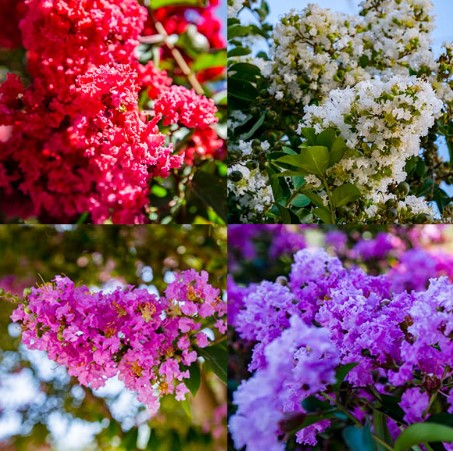
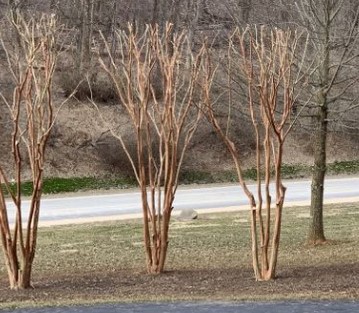
Crape Myrtle
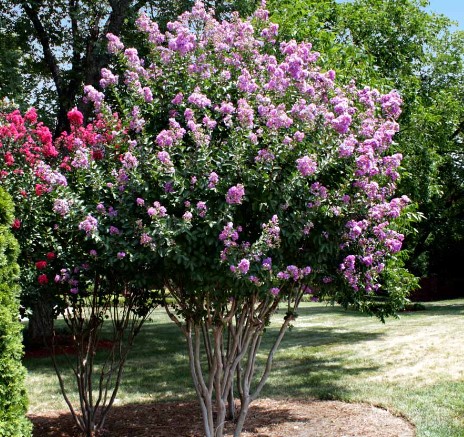
Sun-loving versatile shrub/tree with blooms lasting all summer. Many varieties to choose from, varying in size from 3’ to 20’ and color (white, pink, red.) Crape myrtles naturally grow multiple trunks but can be trained into a single trunk tree if desired.
Evergreen: No
Bloom season: Early summer through early fall
Maintenance: Low, cut back in winter.
Drought Tolerance: Good
Light: Full Sun
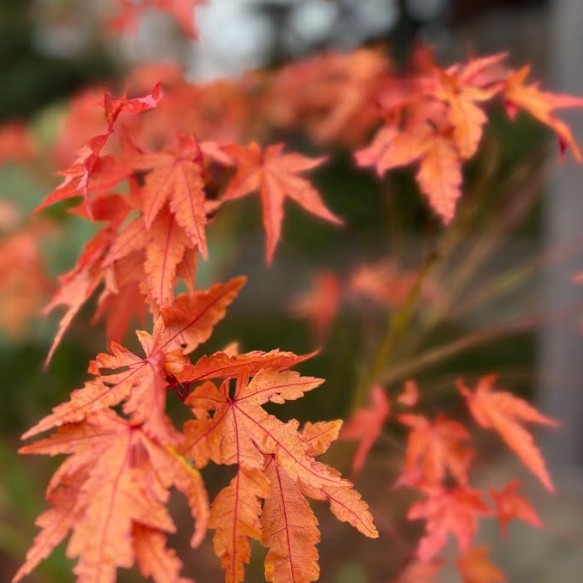
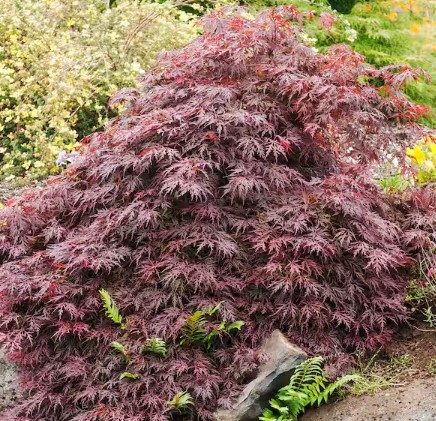
Japanese Maple
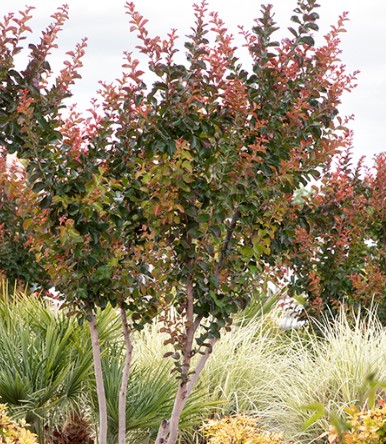
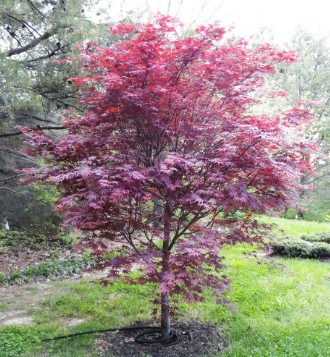
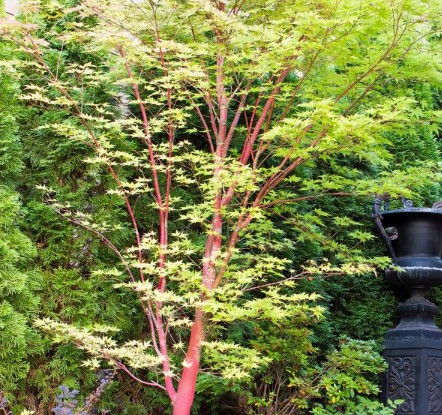
Available in so many colors and sizes; too many varieties to summarize here! Recommend Coral Bark and Bloodgood for upright varieties, Red Dragon for weeping laceleaf.
Evergreen: No
Bloom season: N/A
Maintenance: Low
Drought Tolerance: moderately drought-tolerant once established
Light: Full sun, partial sun, shade. As a rule of thumb, laceleaf varieties cannot tolerate full sun. Hardy varieties such as Bloodgood can acclimate to full sun.
Chinese Pistache
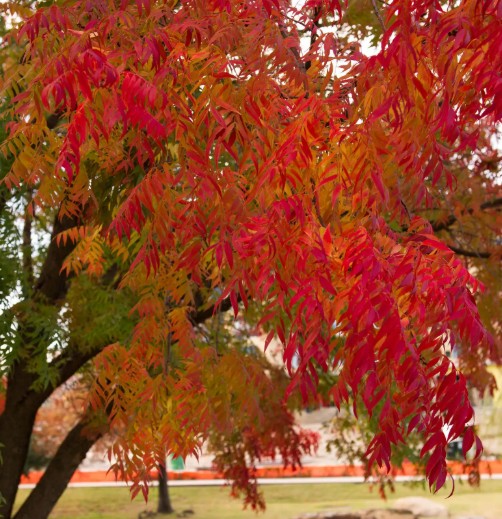
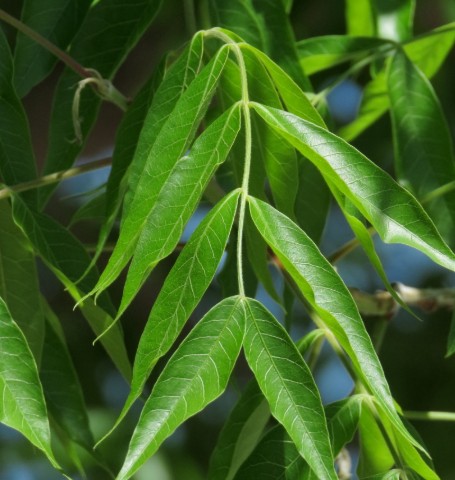
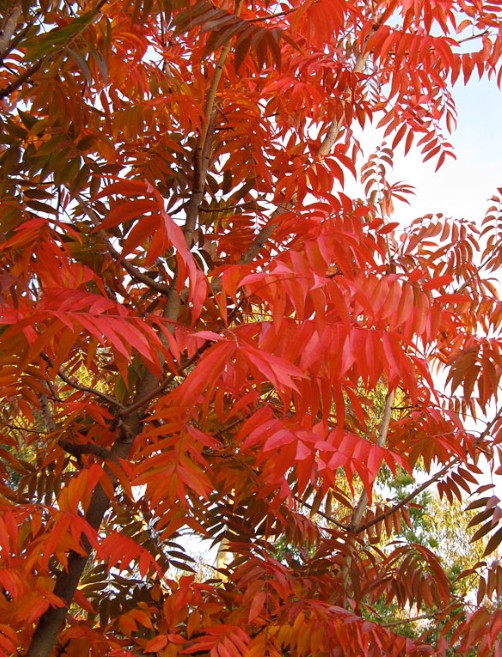
Stunning kaleidoscope of red, orange, and yellow leaves in fall. Non-aggressive root system. Some hybrid varieties produce no berries.
Evergreen: No
Bloom season: N/A
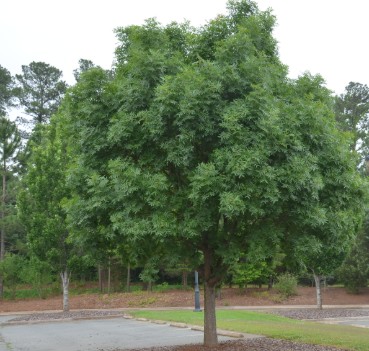
Size: 30-45'
Maintenance: Pruning and training recommended in early growth stages
Drought Tolerance: Very good
Light: Full sun
Note: Chinese pistache is classified as potentially invasive species in the Sacramento area. It is safe to plant the male trees, which should be sourced from a reputable nursery.
Strawberry Tree
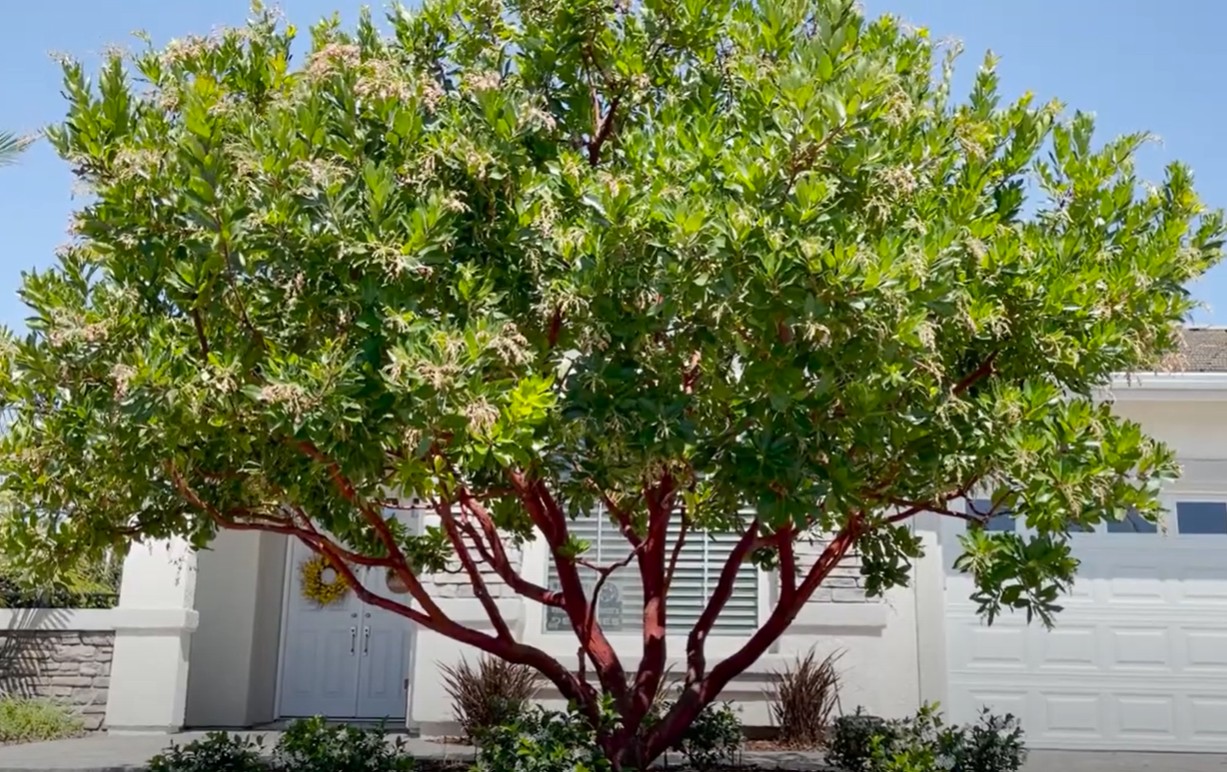
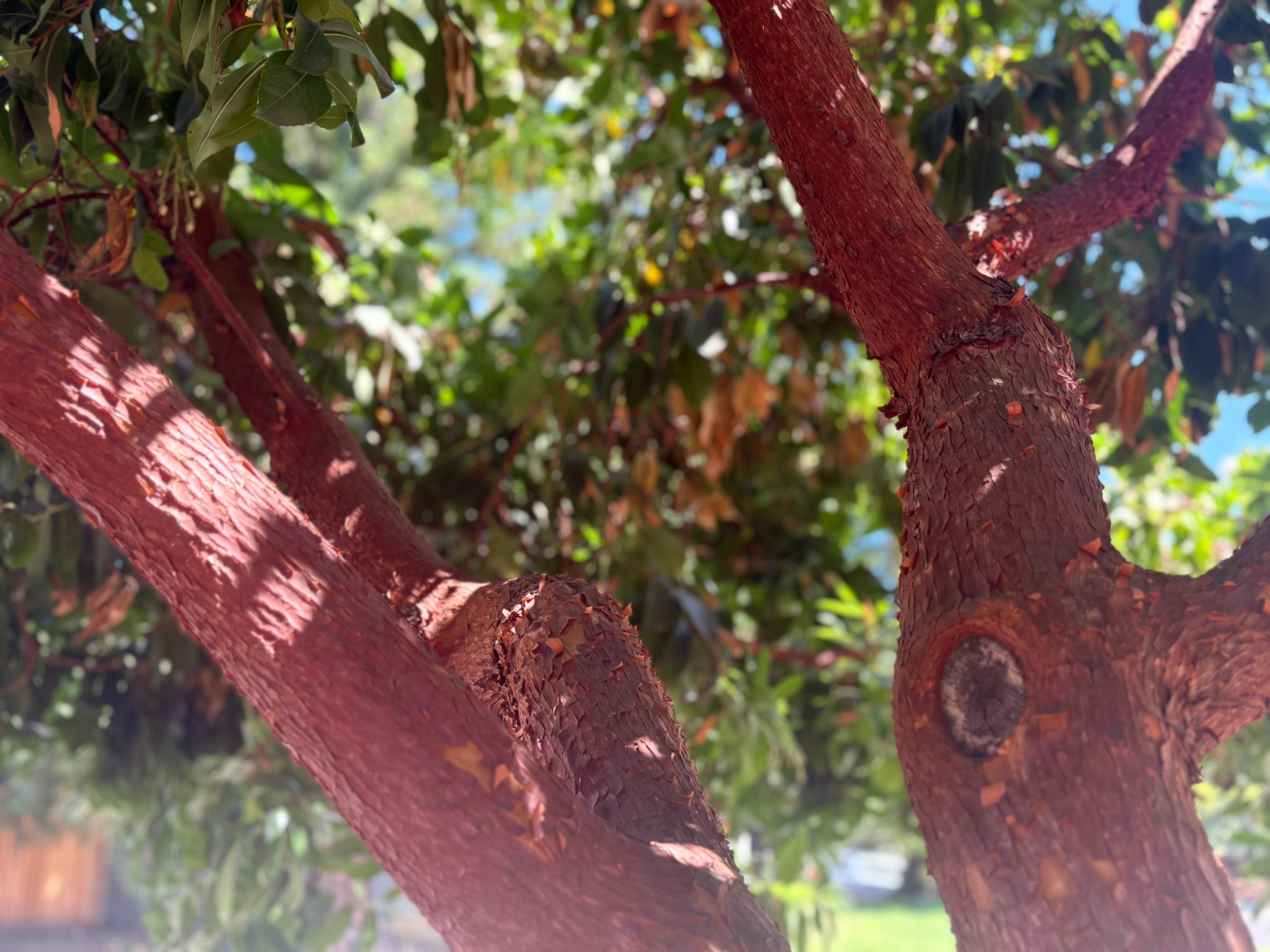
Strawberry Tree and related Arbutus Marina. Eye-catching and artistic with rust colored bark, multi-twisting trunk, and colorful decorative fruit.
Evergreen: Yes
Bloom season: Flowers and fruit all year
Size: 40-50' (slow-growing)
Maintenance: One or two good trims per year
Drought Tolerance: Good
Light: Full Sun
Notes: Yes, you can eat the fruit but the texture leaves something to be desired.

Hedges
Photinia Fraseri "Red Tip"
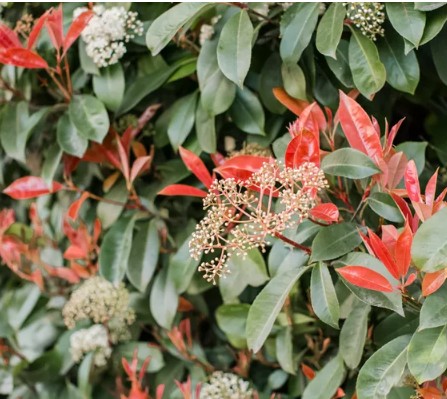
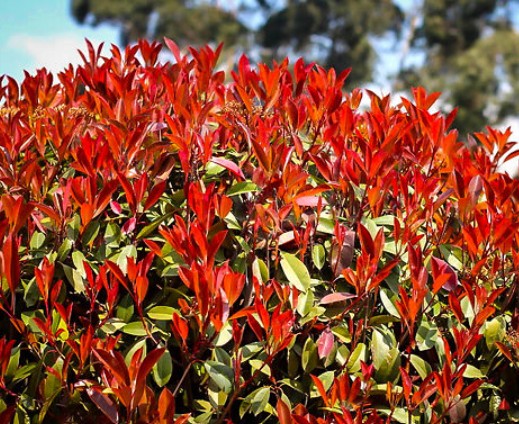
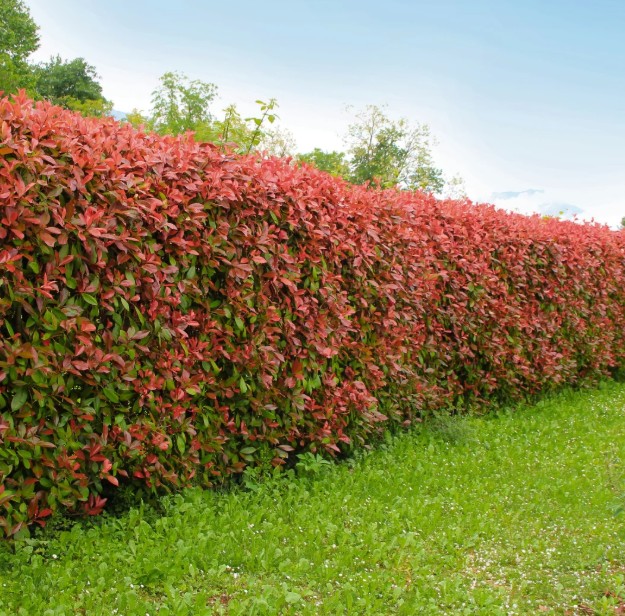
Red Tip Photinia Fraseri - fast growing and popular as a hedge, with bright red leaves in spring.
Evergreen: Yes
Bloom season: spring, small white flowers which do not smell great (some prefer to trim them off in favor of new leaf growth.)
Size: 15', fast grower, 2-3' per year
Maintenance: Trim in spring for new growth, light trimming in summer.
Drought Tolerance: drought tolerant once established
Light: Full sun but will tolerate full shade. It's versatile!
Notes: New growth/leaves are bright red and gradually change to green. Additional pruning may encourage new flushes of red leaves in late spring and summer. Toxic to horses, otherwise pet friendly.
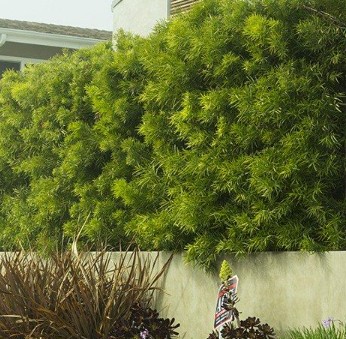
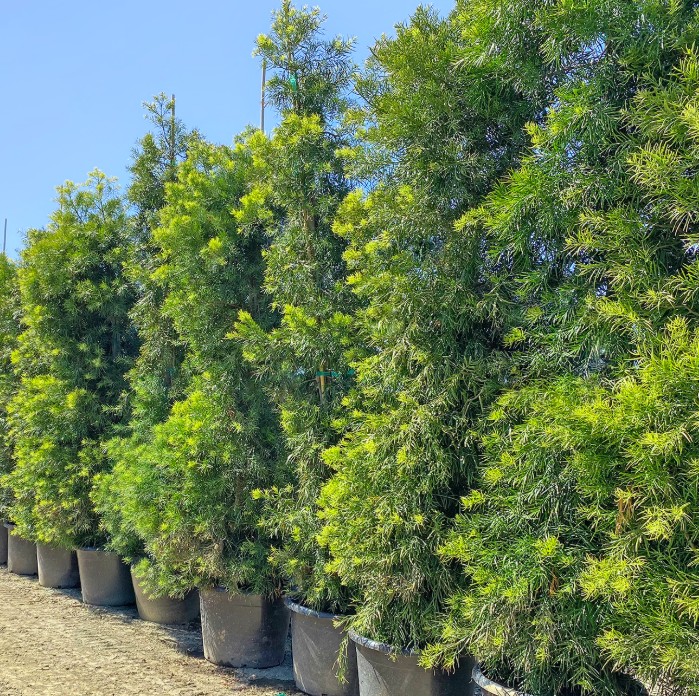
Podocarpus Gracilior "Fern Pine"
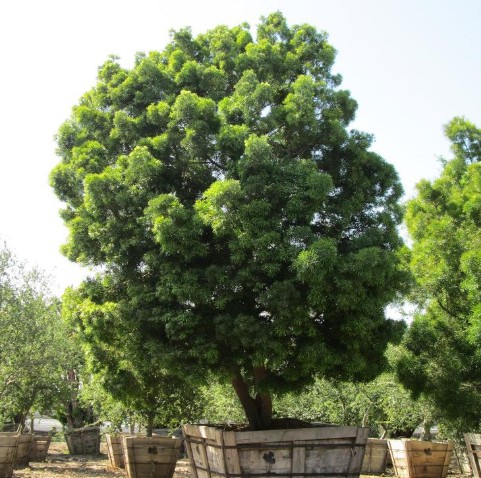
Podocarpus gracilior, "Fern Pine" can be pruned as a formal hedge or left to grow naturally as a tree.
Evergreen: Yes
Bloom season: N/A
Size: 2-4' apart as hedge, height up to 60' as stand-alone tree
Maintenance: an annual trim in late winter or early spring
Drought Tolerance: drought tolerant once established
Light: Full sun to partial shade
Notes: fast grower, 12" to 24" per year
Not Recommended
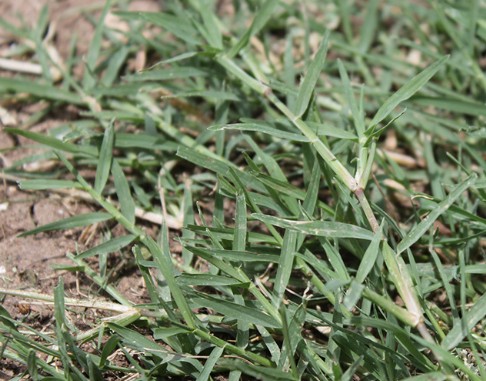
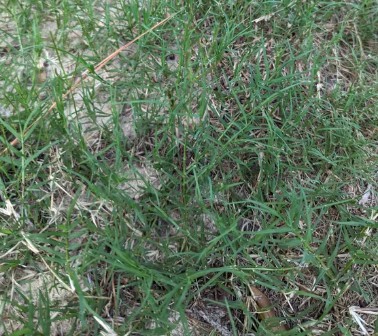
Bermuda Grass
Hardy. Very hardy. So hardy you will never get rid of it. When your neighbor removed their lawn in favor of mulch and shrubs, and a year later the lawn sprouted up to overrun the mulch, this is the culprit. It can send roots up to 3' into the soil, so when replacing it, it's highly recommended to remove the top 6-12" of soil as well.
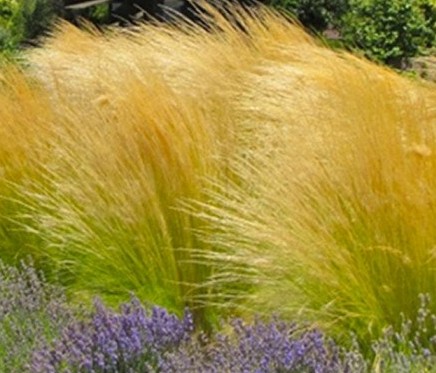
Mexican Feathergrass
Beautiful, golden, and sadly also invasive to Northern California. Local nurseries don't sell it, and in our efforts to protect the local ecosystem, we do not recommend it.
Other Invasive Foliage
Check out UC Davis's summary of plants which are invasive to the Central Valley, along with recommended alternatives here.
https://www.des.ucdavis.edu/faculty/spartina/news/InvasiveSpeciesBinderComplete.pdf